Choosing power equipment the right way helps keep an electrical setup safe and working as it should. It also makes it more likely the gear fits the job. Since each device uses a different type and level of power, it helps to know your needs before you buy anything.
If you are swapping out an old unit or wiring up a new system, pause first and review a few items. This can prevent the wrong choice and save time later.
AC to DC Power Converter
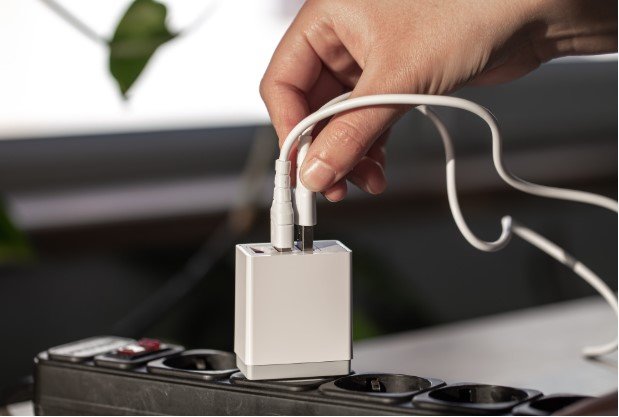
An AC to DC power converter converts alternating current into direct current. Many electronics run on DC, so converters show up in many common setups. When you pick one, look at the input voltage first. Then check the output voltage. Also confirm the current rating and the total power it can handle. Make sure those specs match what the powered device needs.
You should also stick with a known maker and a good build. A solid converter is more likely to deliver stable power and allow the connected equipment to run as expected.
Check Your Power Requirements
Before buying any power gear, figure out how much power your device or system needs. Use the voltage, current, and wattage numbers listed by the manufacturer. If you use a unit with mismatched specs, you may see weak performance. In some cases, it can harm the device. Always line up the equipment ratings with your application.
Consider Quality and Durability
Power equipment often runs often and for long stretches. Because of that, build quality matters. Choose products made from solid materials and built for the setting where they will be used. If the unit will be exposed to heat, dust, or other harsh conditions, confirm it is designed for that use.
Look at Safety Features
Electrical gear needs safety controls. What you get depends on the model. Some units include safeguards against heat buildup, short circuits, voltage spikes, or excessive current.
These safeguards can reduce damage. They can also limit harm to other devices connected to the same setup. During setup and daily use, follow the maker’s directions. Don’t guess if the manual says something specific.
Compare Price and Warranty
Price matters, but the lowest cost is not always the best match. Look at each option and compare the specs, build quality, included features, and the warranty terms. A solid warranty can also help later on, as it may cover fixes if something goes wrong while you are still within the coverage window.
Consider Installation and Maintenance
Some devices are easy to set up by yourself. Other models need a trained person to install them. Check what is required before you buy. Routine checks and regular care can keep the unit running well. Follow the maker’s maintenance steps and replace parts that show wear or damage.
Choose the Right Equipment
Start with what you need for power, then review safety features, the unit’s build quality, and whether it will work with your current setup. Don’t forget to consider warranty coverage and how much maintenance the product will require.
When you review all these points, you are more likely to choose equipment that fits your electrical system and works reliably over time.