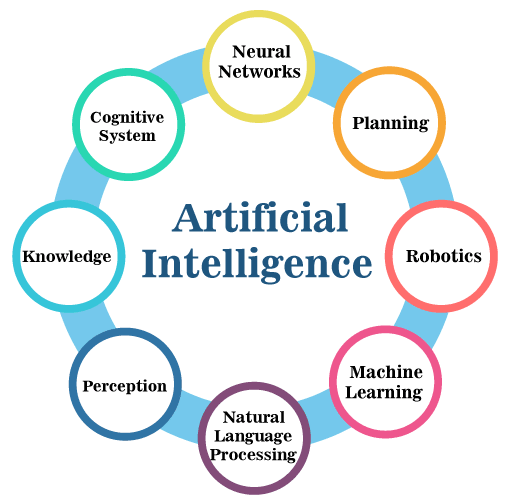
Artificial intelligence is one of the most potent and game-changing technologies of the 21st century. It affects how data is handled, how decisions are made, and how systems work in many fields. To fully understand its importance, you need to clearly explain what artificial intelligence is, look into how artificial intelligence and data science are related, and learn how educational platforms like Javatpoint break down artificial intelligence ideas in a way that is easy for beginners to understand.
This post gives a full, professional introduction of artificial intelligence, with a focus on definitions, practical knowledge, and its connection to data science. It is written in a clear, blog-ready style.
What is Artificial Intelligence?
Artificial intelligence is the ability of a computer or machine to act like a person. This involves things like learning from what you’ve done before, thinking logically, interpreting language, spotting patterns, and making choices.
In short, artificial intelligence lets robots do things that usually need human intelligence, such solving problems, making predictions, and automating tasks, by using data and algorithms.
Important Parts of AI
There are a few main parts that make up artificial intelligence. These are things like data, algorithms, processing power, and ways to learn. Data provide information, algorithms process it, and computing power makes it possible to run programs quickly.
Artificial intelligence systems can get better over time without having to be reprogrammed.
What Artificial Intelligence Wants to Do
The basic goal of AI is to make systems that can work on their own and intelligently. These technologies are meant to make things easier for people, make them more accurate, and do complicated tasks quickly.
Artificial intelligence also wants to improve decision-making by giving you information from big data sets.
Different kinds of artificial intelligence
There are two types of artificial intelligence: limited artificial intelligence and general artificial intelligence. Narrow artificial intelligence is made to do certain things, such recognize speech or analyze images.
Researchers are still working on general artificial intelligence, which aspires to copy human intelligence in a wide range of tasks.
The Connection Between AI and Data Science
Artificial intelligence and data science are two topics that are very similar to each other. Data science is all about gathering, cleaning, analyzing, and interpreting data. Artificial intelligence, on the other hand, leverages that data to make smart systems.
Artificial intelligence would not be able to learn or make decisions without data science, which provides the organized data it needs.
The Importance of Data in AI
Artificial intelligence is built on data. Artificial intelligence algorithms can find patterns and make accurate forecasts when they have good data.
Data science makes sure that data is useful, organized, and reliable before it is used in AI systems.
Machine learning is a link between AI and data science.
Machine learning connects data science and artificial intelligence. It trains models that let AI systems learn from data by using data science methods.
As more data becomes available, machine learning algorithms get better at what they do.
Using AI and Data Science in Real Life
AI and data science operate together in fields including healthcare, finance, marketing, and manufacturing. Data science looks at patient data in healthcare, whereas AI helps anticipate diseases.
Data science works with transaction data in finance, whereas AI finds fraud and controls risk.
What Sets Artificial Intelligence Apart from Data Science
Artificial intelligence is about making smart systems that can work on their own, whereas data science is about getting useful information from data.
Data science is more about describing and analyzing data, while artificial intelligence is more about predicting and taking action.
Using AI to Make Business Decisions
Companies employ AI and data science together to make better decisions. Data science finds patterns, and AI exploits those patterns to automate replies.
This mix makes things more efficient, accurate, and scalable.
AI in Automation
AI makes automation possible by letting systems do tasks without help from people. Data science helps figure out which steps can be done automatically.
AI-powered automation cuts expenses and boosts productivity.
Learning about artificial intelligence in the style of Javatpoint
Javatpoint and other educational sites explain AI in a way that is easy to understand by using basic terminology, organized themes, and clear examples. This method makes it easy for beginners to understand difficult ideas.
People usually describe artificial intelligence on Javatpoint-style sites by giving definitions, types, uses, pros and cons, and so on.
Why it’s important to explain artificial intelligence in simple terms
Students can develop strong foundations when they get clear, concise explanations. AI can seem complicated, but structured explanations make it easy to understand.
Explanations that are easy for beginners to understand help people learn and cut down on confusion.
Common AI Concepts Taught on Learning Platforms
Artificial intelligence definition, machine learning, neural networks, expert systems, and real-world uses are all things that learning platforms commonly teach.
These ideas provide you a full picture of how AI systems work.
An Overview of Artificial Intelligence Algorithms
Algorithms are what artificial intelligence uses to process data and make choices. These algorithms tell systems how to learn, guess, and react.
Algorithms that are well-designed make things work better and more accurately.
AI and Big Data
Big data is very important for making artificial intelligence. Artificial intelligence models can learn more from big datasets.
Data science deals with large amounts of data, while artificial intelligence gets information from it.
AI in Learning and Education
More and more, schools are using AI for individualized learning, automated tests, and smart tutoring systems.
AI that uses data changes the learning material to fit each student’s needs.
AI in Healthcare Systems
Artificial intelligence looks at medical data in healthcare to help with diagnosis and therapy planning. Data science makes sure that patient data is correct and trustworthy.
This mix makes healthcare more effective and better for patients.
AI in Banking and Finance
Banks and other financial organizations employ AI and data science to find fraud, analyze risk, and learn more about their customers.
These systems look at transaction patterns and find problems in real time.
Ethical Issues in Artificial Intelligence
Privacy of data, bias, and openness are some of the ethical challenges that come up with artificial intelligence. Responsible AI development makes ensuring that things are fair and people can trust them.
Data science helps find and get rid of data that is skewed.
The limits of AI
The quality of the data is very important for artificial intelligence systems. Bad data leads to bad results.
Artificial intelligence also doesn’t have feelings, creativity, or the ability to make moral decisions.
The Future of Artificial Intelligence and Data Science
Artificial intelligence and data science will become more integrated into ordinary processes in the future. Improvements will make things more accurate, efficient, and able to work together with machines.
New ideas will keep coming up, which will make more uses possible in all kinds of fields.
How to Learn Skills in Artificial Intelligence and Data Science
People that learn artificial intelligence and data science get talents that are in great demand. Some of these skills are logical reasoning, data analysis, and algorithmic thinking.
For this job to expand, you need to learn and train.
AI and Jobs
Data science and artificial intelligence make jobs like data scientist, artificial intelligence engineer, and analytics specialist possible.
There is still a lot of demand for these jobs around the world.
AI in Society
AI has an impact on transportation, communication, healthcare, and government. Responsible use makes ensuring that the societal impact is good.
Balanced adoption depends on people knowing about it and being educated about it.
Conclusion
AI is a game-changing technology that uses data, algorithms, and smart learning systems. For both novices and experts, it is important to know what artificial intelligence is, how it relates to data science, and how to explain things in an organized way, like in Javatpoint-style learning.
As AI keeps getting better, a smarter and more efficient future will come from combining clear teaching, moral duty, and innovation based on data.